
Our Art Project
On funerals, life, and some poems
This morning I attended the funeral of a dearly loved husband, father, and friend. Episcopal funerals are so rich with liturgy, music, and meaning. I've learned new hymns at these services, two of which (so far) I'd like sung at my own funeral. You won't hear me, but I'll be singing.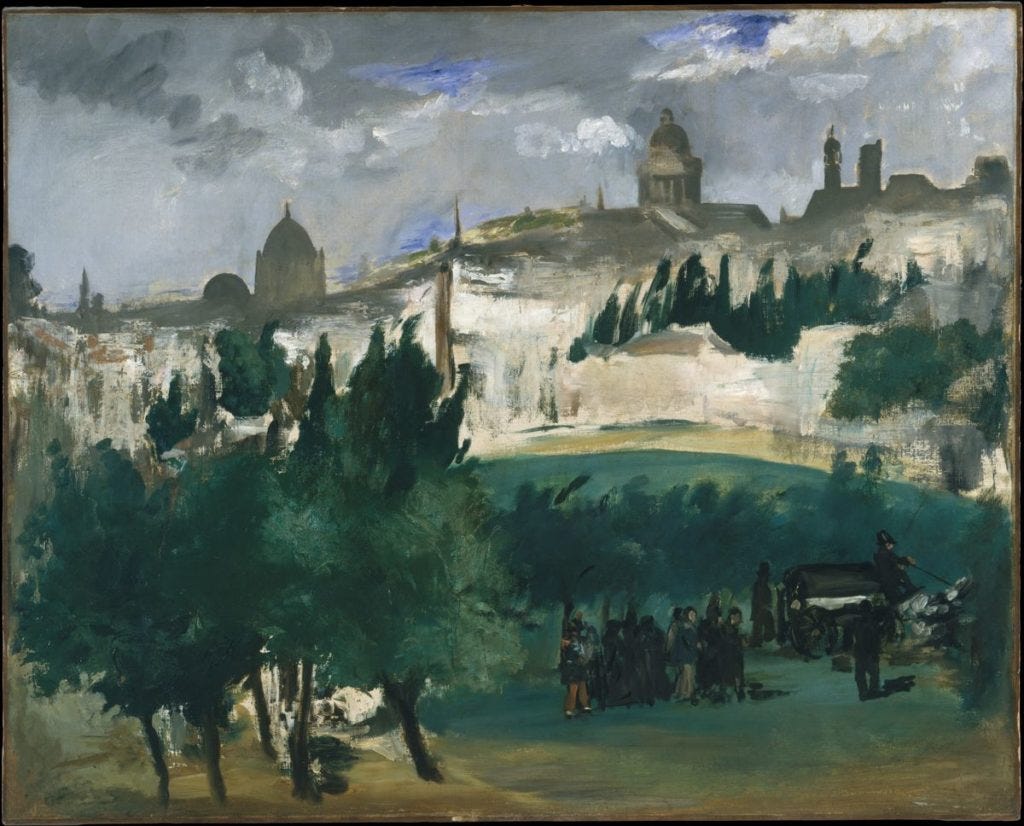
In recent years, I go to more funerals than weddings. It's partly a result of my age, partly my vocation. But I'm finding funeral attendance is good for my soul - a moral and spiritual discipline. It's beneficial to ponder someone's life in full, to hear the reflection of friends who loved them, to realize that among the variety of people attending you all have this one person in common, and to remind yourself that some day it will be your own funeral.

A year ago this week I was at a funeral for someone I did not know well, but was the recipient of their grace, care and fervent prayers over many years. I had tears within the first five minutes and I don't think my tears dried for another hour. It was an inspiring funeral.

Inspiration is a surprising sensation after such an event. In these two occasions, it was the realization of what a well-lived life can look like, of the staggering beauty that simplicity can reveal, the profound love that can accumulate in small bits day by day until at the end you look back and see that it has become a breathtaking majestic mountain.

Afterwards, I wish I could live my life again and do it that way: full of attentiveness, care, dedication, humility, and love.
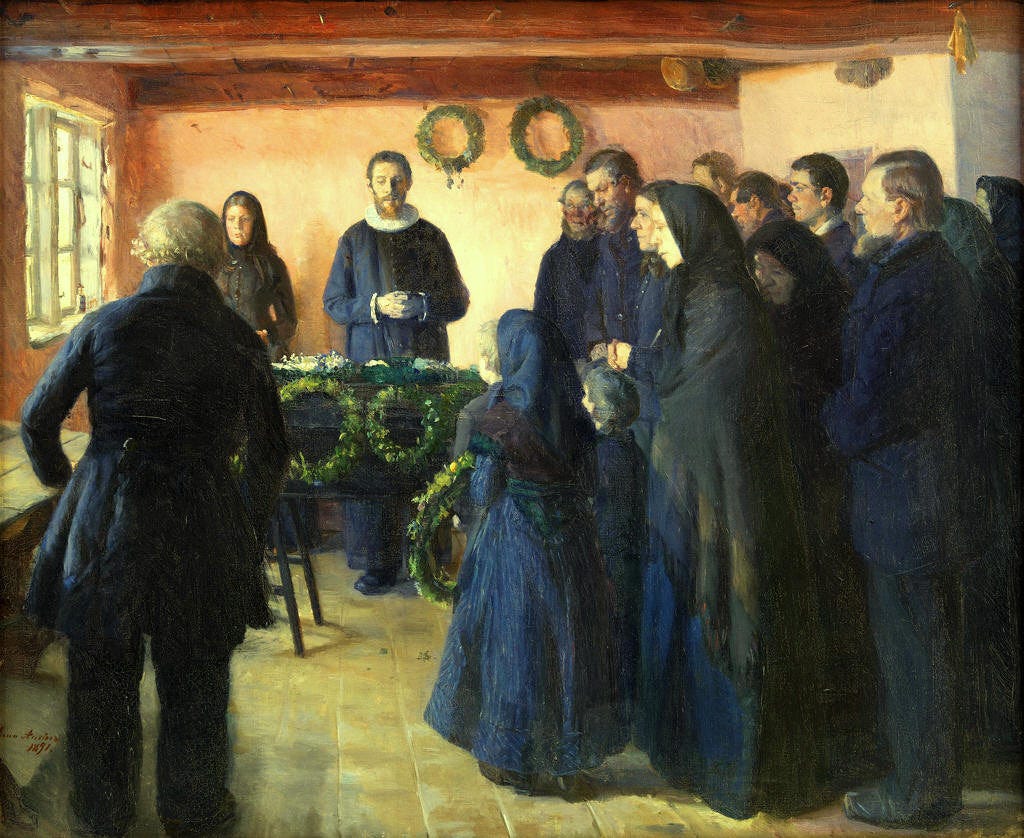
David Brooks, in a 2015 column entitled "The Moral Bucket List," made a useful distinction. He wrote about running across people who "radiate an inner light" - people who are deeply good, who listen well, who make you feel valued. Then he observed: "It occurred to me that there were two sets of virtues, the résumé virtues and the eulogy virtues. The résumé virtues are the skills you bring to the marketplace. The eulogy virtues are the ones that are talked about at your funeral — whether you were kind, brave, honest or faithful. Were you capable of deep love?"

I often leave a funeral reminded of the feeling I once had working on an art project in school. At the end of the hour I was amazed at how beautiful someone else's project became. Couldn't I try again now that I know what's possible?

When we listen to someone else’s life recounted at their funeral we get the broad view on what’s important. Maya Angelou said, "I've learned that people will forget what you said, people will forget what you did, but people will never forget how you made them feel."

I'm guessing she learned that going to funerals.
My first funeral was my grandfather's when I was seven years old.

BEGINNING LESSONS

I will always remember back before
 becoming an apprentice to grief
 one sweltering late August morning
 in rural southern Illinois
 crowded on a hard wooden pew
 in a small Methodist church
 waiting at grandfather's funeral.
 I leaned my sleepy seven-year-old head
 against my father's damp white shirt
 and felt his chest heave in a way I could not name
 as he taught me what he did not understand
 with something that was not sweat
 falling from his cheek.
And then, fifty years later, at my own father's funeral:

I DECLARE

I declare sacramental this red clay
 that stains my black shoes
 and blessed those who dig square holes
 where tired old men
 lay down to eternal rest
 and highly favored those
 who carve stones to place there
 with names and dates
 like the cover of a book
 from which all the pages have been torn.

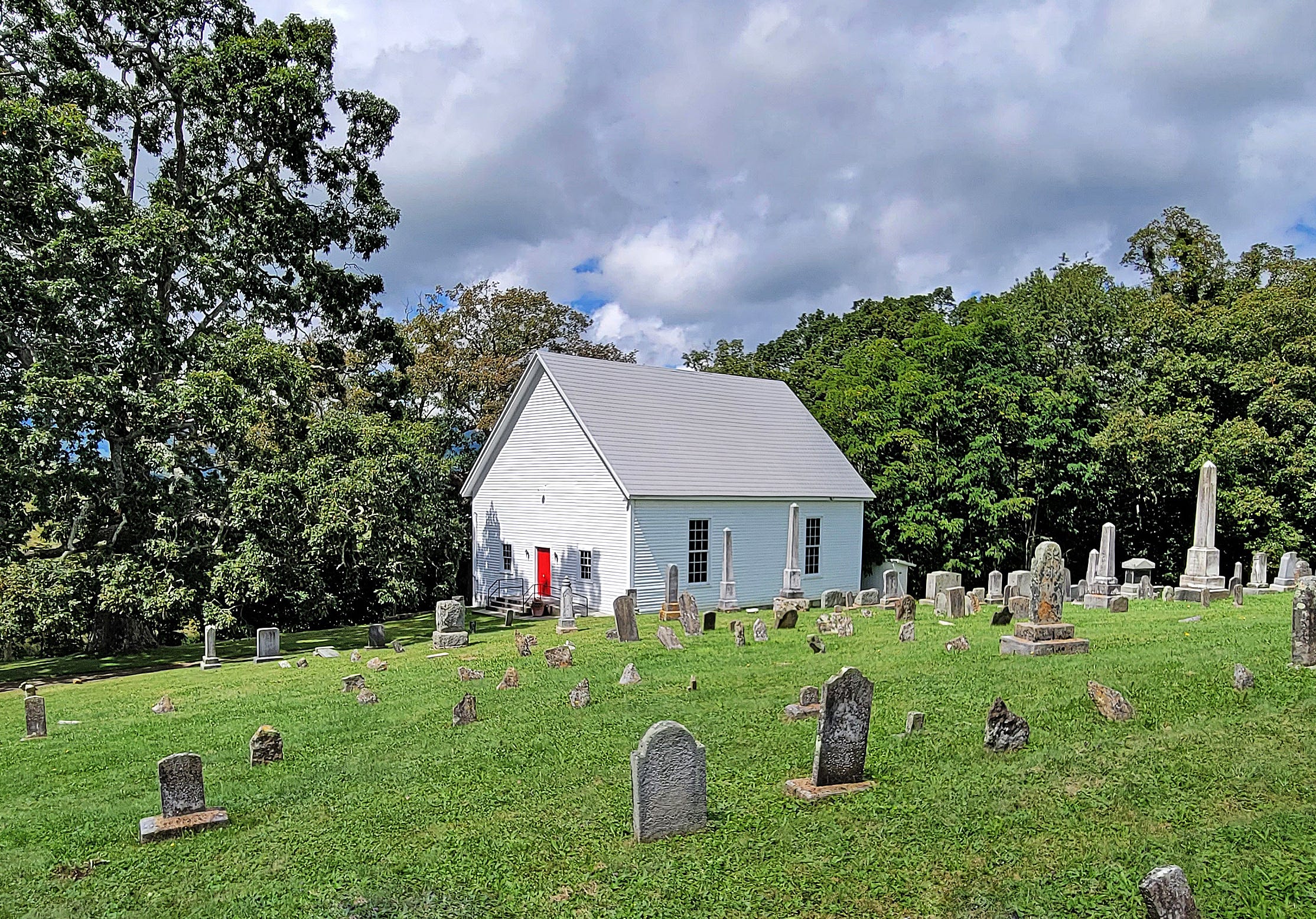
I declare this cemetery sacred ground
 this small white chapel holy
 and like Jacob waking from a dream
 I proclaim "God was in this place,
 and I did not know it."

At the end of his days
 he reached the end of his strength
 nothing left to give
 because he had given everything
 working hard
 sleeping light
 suffering long
 loving past his expiration date.

I declare heroic
 this simple man who lived
 a simple life with simple dreams
 who muttered simple prayers
 became
 the earth's salt
 the world's light.

Until now
I have never known a day without him.
Tomorrow, I'm facilitating a memorial service in a coffee shop. An elderly man many of us knew died alone without close family or any faith community. Someone suggested we gather to remember him and they asked me to help make it happen. I'm happy to do so. To honor and celebrate each one is not only proper to their life and value, but it takes a stand against the cruelty of our age.

We are members of a vast web of mutuality that nurtures us and that we are called to nurture in return. Those who made our lives possible extend their blessing through us to others who will never know our names. This is how it works. The mending of the world.

Funerals pull us into the long view. They help us see the mountain of small bits of daily love that becomes a life well-lived. They integrate rather than disintegrate our souls. They ask us: What kind of light will you radiate? How will you use what you've been given? What will be said when you’re gone?
So go to the funeral. It’ll be good for you.
THE PAUSE

After a visit with Mom and Dad
we would stand on the porch
hugging and kissing all around
Mom reminding us to call her
Dad slipping a twenty in my hand
“Buy yourself some gas” he’d say.

They would stand there
arm in arm together watching
as we backed down the driveway
turning into the street.

Then before we drove away
the pause.

Everyone in the car looking
back towards the house
Mom and Dad’s gaze
holding us, waiting
for one final wave goodbye.

Here we are papa
the day after your funeral
my pockets empty this time
pausing at the end of the drive
looking back towards you
waving one last time.
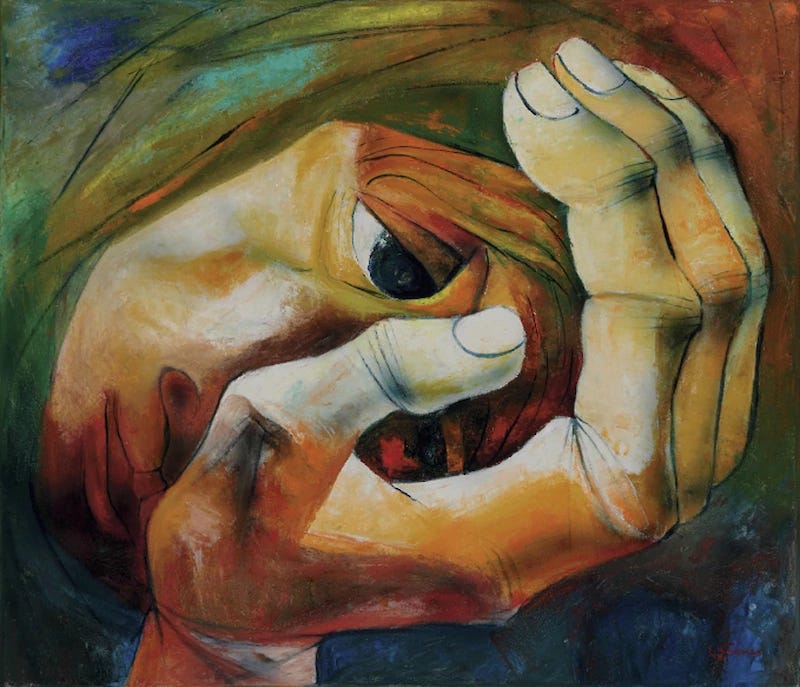
Wow, Ric you brought me to tears! And im stunned to see you included a painting by Eduardo Kingman, one of the top ecuadorian artists of the 20th century. I Just met the daughter of Eduardo Vega, another Ecuadorian great, who lives here in Cuenca. Thanks.